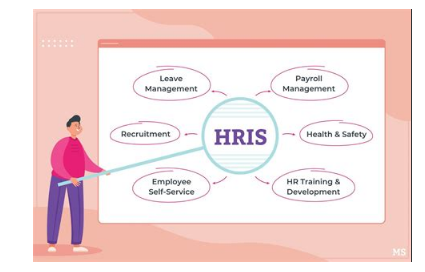
Welcome, midsize business owners and HR professionals! When it comes to managing your company’s human resources, having the right HRIS system in place can make all the difference. From streamlining processes to improving efficiency, the right HRIS system can take your HR department to the next level. In this article, we will explore some of the top HRIS systems specifically designed for midsize companies, helping you make the best choice for your unique needs.
Affordable and Scalable Solutions for Midsize Companies
When it comes to Human Resource Information Systems (HRIS), midsize companies have unique needs that require a system that is both affordable and scalable. These companies often have limited budgets and resources compared to large corporations, so finding a solution that fits their requirements without breaking the bank is crucial. In addition, midsize companies are in a period of growth and expansion, meaning they need a system that can easily adapt and grow with them as their workforce expands.
One top HRIS system that offers affordable and scalable solutions for midsize companies is BambooHR. BambooHR is known for its user-friendly interface, customizable features, and competitive pricing. This cloud-based system allows midsize companies to efficiently manage their HR processes, from recruiting and onboarding to performance evaluations and time tracking. With BambooHR, companies can easily scale up as they grow, adding new employees and functionalities without incurring significant costs.
Another popular choice for midsize companies is ADP Workforce Now. ADP is a trusted name in HR software, and their Workforce Now system is tailored for midsize businesses. This comprehensive HRIS solution offers features such as payroll processing, benefits administration, talent management, and compliance tools. ADP Workforce Now is also scalable, allowing companies to customize the system to meet their specific needs and grow alongside their organization.
For midsize companies looking for an affordable HRIS system that can scale with their business, Zenefits is a top choice. Zenefits offers a wide range of HR solutions, including payroll, benefits, time and attendance tracking, and performance management. The platform is cloud-based and easy to implement, making it ideal for midsize companies that need a quick and cost-effective HRIS solution. Zenefits also offers add-on modules that companies can purchase as they grow, ensuring that the system can adapt to their changing needs.
Finally, Gusto is another affordable and scalable HRIS system that is popular among midsize companies. Gusto offers a streamlined approach to HR management, with features such as payroll processing, benefits administration, and compliance tools. The system is designed for growing businesses, allowing companies to easily add new employees and functionalities as they expand. Gusto also offers excellent customer support and training resources, making it easy for midsize companies to transition to this new HRIS system.
Overall, midsize companies have a variety of affordable and scalable HRIS solutions to choose from. Whether they opt for BambooHR’s user-friendly interface, ADP Workforce Now’s comprehensive features, Zenefits’ cloud-based platform, or Gusto’s streamlined approach, these companies can find a system that meets their unique needs and budget constraints. With the right HRIS system in place, midsize companies can streamline their HR processes, improve employee management, and drive business growth.
Customization Features to Fit Unique HR Needs
When it comes to choosing a HRIS system for midsize companies, it’s important to look for customization features that can cater to the unique needs of your HR department. One size does not fit all when it comes to HR management, so having the ability to customize your system is crucial.
Customization features can include the ability to create customized fields for employee data, such as performance metrics, training records, and job history. This allows you to track and analyze the specific data points that are important to your company.
Another important customization feature to look for is the ability to tailor workflows and processes to match your company’s HR policies and procedures. For example, you may want to set up automatic notifications for performance reviews, or customize the onboarding process for new hires.
Some HRIS systems also offer the ability to create custom reports and dashboards, so you can easily access and analyze the data that is most relevant to your company. This can help you make informed decisions and track key metrics for your HR department.
Additionally, look for a HRIS system that offers the ability to integrate with other software solutions that your company uses. This can include payroll systems, time tracking software, or recruiting platforms. By integrating your HRIS system with these other tools, you can streamline processes and ensure data consistency across all systems.
Overall, having customization features in your HRIS system can help you tailor the software to fit the unique needs of your midsize company. Whether it’s creating custom fields, configuring workflows, or integrating with other systems, having the ability to customize your HRIS system can make a big difference in how effectively you manage your HR department.
Integration Capabilities with Other Business Systems
When it comes to choosing an HRIS system for your midsize company, it is essential to consider the integration capabilities with other business systems. A seamless integration between HRIS and other systems such as payroll, accounting, and performance management can streamline processes and improve overall efficiency.
One of the key factors to look for in an HRIS system is its ability to integrate with your existing payroll system. This integration can streamline the entire payroll process by automatically updating employee data, calculating wages, and processing payroll. It eliminates the need for manual data entry and reduces errors, saving time and resources.
Furthermore, integration with accounting systems can provide a holistic view of your company’s financial health. By syncing HRIS data with accounting software, you can track expenses, budget allocation, and employee costs more effectively. This integration can help you make informed decisions and stay compliant with financial regulations.
Another important aspect of integration capabilities is the ability to connect with performance management systems. By linking HRIS with performance management tools, you can align employee goals with business objectives, track progress, and provide feedback in real-time. This integration can improve communication, boost employee engagement, and drive performance improvement across the organization.
Moreover, an HRIS system that can integrate with time and attendance software can simplify the process of tracking employee hours and managing shifts. This integration can automate timekeeping, monitor attendance patterns, and facilitate scheduling adjustments. It can also provide valuable insights into workforce productivity and help you optimize staffing levels based on real-time data.
Lastly, a robust HRIS system should offer seamless integration with recruitment and onboarding platforms. This integration can streamline the hiring process by automatically transferring candidate information, conducting background checks, and facilitating document verification. It can accelerate time-to-hire, enhance candidate experience, and ensure compliance with hiring regulations.
In conclusion, integration capabilities with other business systems are crucial when selecting an HRIS system for your midsize company. A well-integrated HRIS system can enhance operational efficiency, improve data accuracy, and drive business growth. By choosing an HRIS solution that offers seamless integration with payroll, accounting, performance management, time and attendance, and recruitment systems, you can create a connected ecosystem that supports your organizational goals and empowers your workforce.
User-Friendly Interface for Easy Adoption and Training
When it comes to choosing a HRIS system for midsize companies, having a user-friendly interface is crucial for easy adoption and training. A user-friendly interface means that the system is intuitive and easy to navigate, making it simple for employees to learn how to use the system quickly. This is especially important for midsize companies that may not have a dedicated HR team or IT staff to provide extensive training on new systems.
One key feature to look for in a HRIS system is a dashboard that provides an at-a-glance view of important HR information. This dashboard should be customizable, allowing employees to easily access the information that is most relevant to them. For example, employees should be able to see their upcoming tasks, deadlines, and important company announcements all in one place. This not only makes it easier for employees to stay organized, but also helps to reduce the time spent searching for information.
Another important aspect of a user-friendly HRIS system is the ability to easily input and retrieve data. This means that employees should be able to quickly and easily enter their own information, such as time off requests, without needing to go through a complicated process. Additionally, managers should be able to easily access this information when needed, without having to search through multiple menus or screens.
In addition to ease of use, a user-friendly HRIS system should also provide comprehensive training and support resources. This may include online tutorials, user guides, and customer support services to help employees troubleshoot any issues they may encounter. Training webinars and in-person training sessions can also be beneficial for ensuring that employees understand how to use the system effectively.
Overall, a user-friendly interface is essential for ensuring that a HRIS system is adopted successfully within a midsize company. By choosing a system that is easy to use and provides comprehensive training resources, employees will be more likely to embrace the new technology and use it to its full potential. This ultimately leads to increased efficiency, improved communication, and better overall HR management within the organization.
Robust Reporting and Analytics Tools for Data-Driven Decisions
When it comes to choosing a HRIS system for your midsize company, having robust reporting and analytics tools is essential for making data-driven decisions. These tools allow you to track key metrics such as employee performance, turnover rates, and recruitment costs, providing valuable insights that can help you optimize your HR processes and improve overall business performance.
With the right reporting and analytics tools, you can easily generate custom reports that are tailored to your company’s specific needs. Whether you need to analyze workforce demographics, track training and development programs, or monitor compliance with labor laws, a good HRIS system will offer a wide range of reporting options to help you stay on top of your HR data.
One of the key benefits of having robust reporting and analytics tools is the ability to identify trends and patterns in your HR data. By analyzing historical data and comparing it with current information, you can gain valuable insights into your company’s performance and make informed decisions about future strategies and initiatives.
Moreover, by using advanced data visualization tools such as dashboards and graphs, you can easily interpret complex HR data and communicate key metrics to your team. This not only streamlines your decision-making process but also helps you to effectively monitor the impact of your HR initiatives and drive business growth.
Another important aspect of having robust reporting and analytics tools is the ability to track key performance indicators (KPIs) and set goals for your HR department. By regularly monitoring KPIs such as employee engagement levels, turnover rates, and recruitment metrics, you can ensure that your HR strategies are aligned with your overall business objectives and make adjustments as needed to drive success.
In addition, having access to real-time data through reporting and analytics tools allows you to quickly respond to changing market dynamics and make timely adjustments to your HR processes. This agility is crucial for midsize companies that need to adapt quickly to evolving business conditions and stay ahead of the competition.
In conclusion, robust reporting and analytics tools are a critical component of any HRIS system for midsize companies. By leveraging the power of data-driven insights, you can make informed decisions, optimize your HR processes, and drive business growth. So when selecting a HRIS system for your company, be sure to choose one that offers advanced reporting and analytics capabilities to help you stay ahead in today’s competitive business landscape.